Data
Home Care in India 2026: What 150,000+ Home Visits Tell Us
By the Lifetime Health care team3 min read

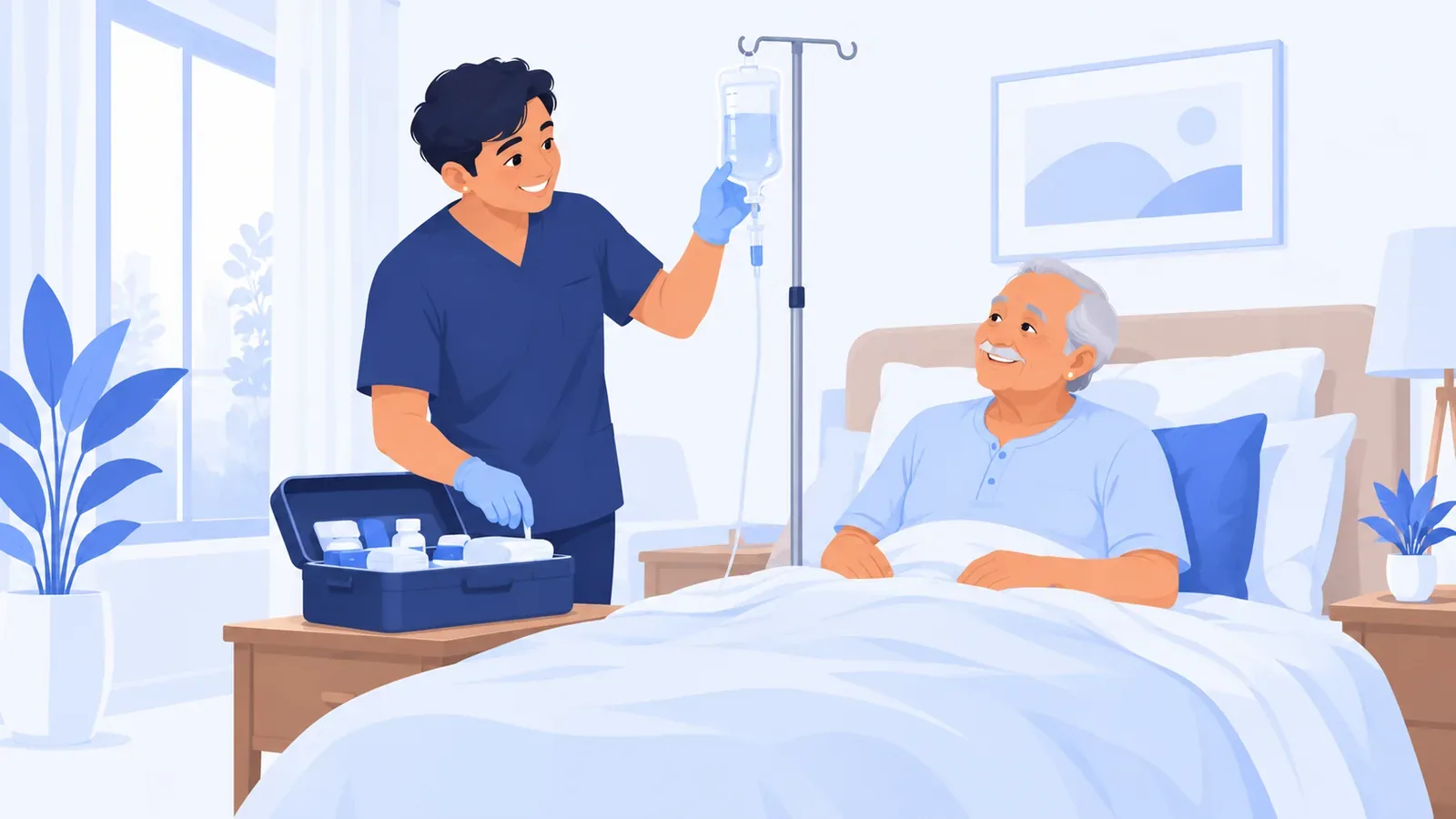
Home care in India has become an extension of the hospital. In Lifetime Health's data, 83% of home nursing visits are clinical procedures (injections, IV fluids and wound dressings), IVF treatment and recovery after surgery are the top reasons for a nurse visit, and 47% of home physiotherapy sessions are for people over 60.
At a glance
| Measure | Value |
|---|---|
| Home sessions delivered | 150,000+ |
| Families served | 20,000+ |
| Sessions rated positive by families | 97% |
| Medical staff | 150+ |
| Coverage | 6 zones in Bangalore, plus Mumbai |
| Arrival time in Bangalore | Within 30 minutes |
Finding 1: Home nursing is mostly clinical work
Across 16,552 home nursing visit reports, injections, IV fluids and wound dressings made up 83% of visits.
| Type of nursing visit | Share of visits |
|---|---|
| Injections (IM, IV, SC) | 47% |
| Wound dressing | 26% |
| IV fluids | 10% |
| Urinary catheter | 3.5% |
| Other procedures | 5% |
Finding 2: IVF and surgery drive nurse visits
| Reason behind the visit | Share of visits |
|---|---|
| IVF treatment | 17% |
| Recovery after surgery | 13% |
| Infections | 10% |
| Diabetes | 9% |
| Cancer care | 3% |
| Bedsores | 1% |
IVF is the single largest reason for home nursing. Patients need injections at fixed times for one to two weeks, and travelling to a clinic for each one is hard.
Finding 3: Older adults are the core of home physiotherapy
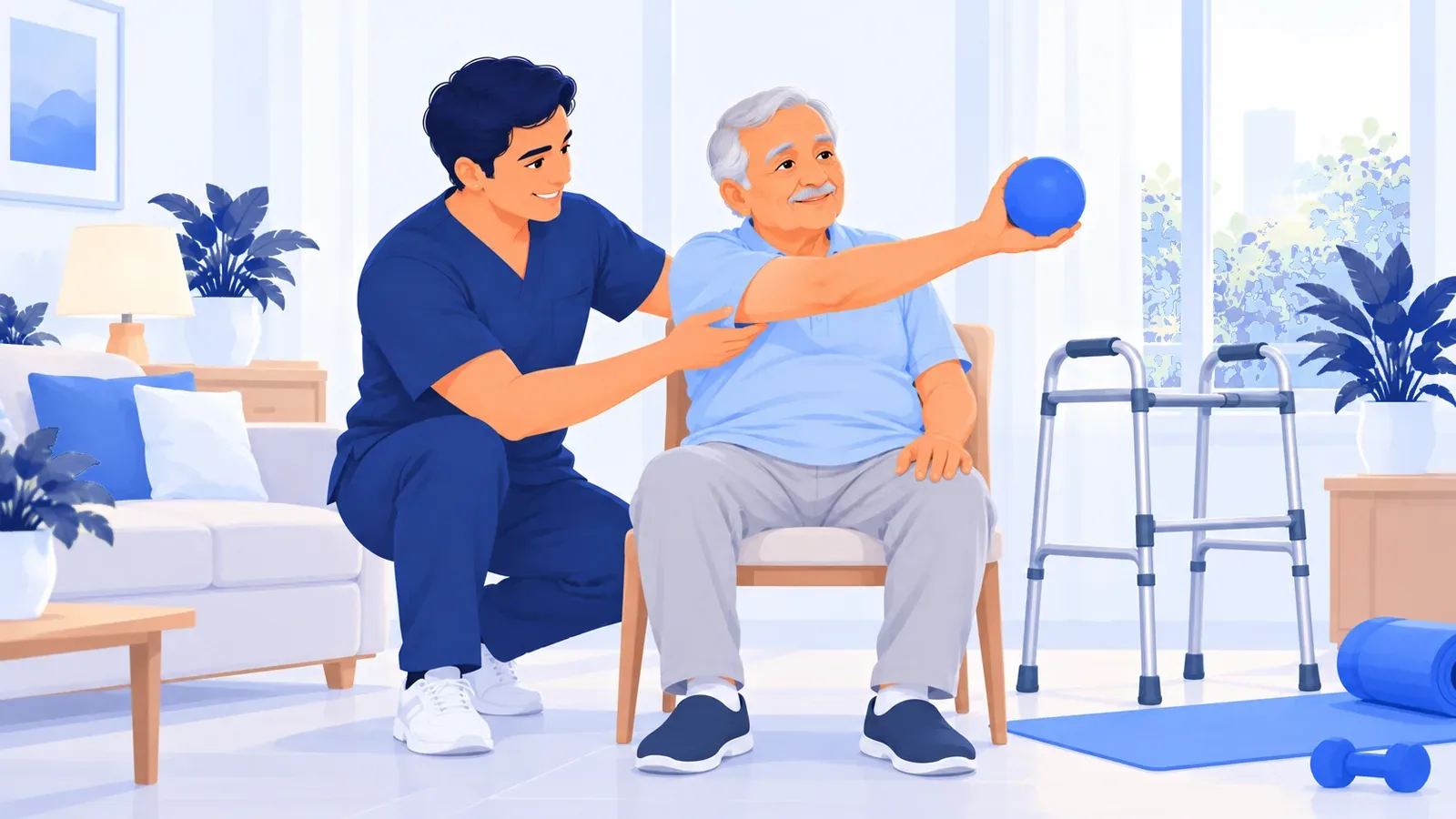
In our physiotherapy report of 14,919 session reports, 47% of sessions were for patients over 60. Stroke rehabilitation patients averaged 21 sessions, a length of care that is hard to sustain if every session means a trip to a clinic.
Finding 4: Continued care at home works
72% of physiotherapy patients who continued care improved measurably, and 42% reached a clinically meaningful pain reduction of 2 or more points.
Finding 5: Families search for clinical tasks by name
The most common searches in our app that didn't match a listed service were injections, caregivers, catheter care, Ryle's tubes, IV drips and wound dressing. Families know the procedure they need and look for someone to do it at home.
Why this matters
India's population over 60 is projected to pass 20% by 2050, and the 80+ group to grow about 279% between 2022 and 2050, according to the UNFPA India Ageing Report 2023. The same report recommends supporting ageing at home where possible. Our data shows what that looks like in practice: clinical care at the patient's bedside.
Methodology
- Nursing data: 16,552 visit reports by Lifetime Health nurses in Bangalore over 9 months of 2025. Visits were grouped by the procedure recorded and by reasons mentioned in the report text. A visit can mention more than one reason.
- Physiotherapy data: 14,919 session reports, as published in the 2026 physiotherapy report.
- Session and family counts: all Lifetime Health home sessions over the last 3 years.
How to cite this report
Lifetime Health, "Home Care in India 2026: What 150,000+ Home Visits Tell Us", lifetimehealth.in/blog/home-care-data-report-2026. Free to quote with a link.
FAQ
What is the most common home nursing service in India?
In our data, injections: almost half of all home nursing visits.
Who uses home physiotherapy most?
People over 60, at 47% of sessions in our physiotherapy data.
Can I use these numbers in my article?
Yes, with a link to this page.